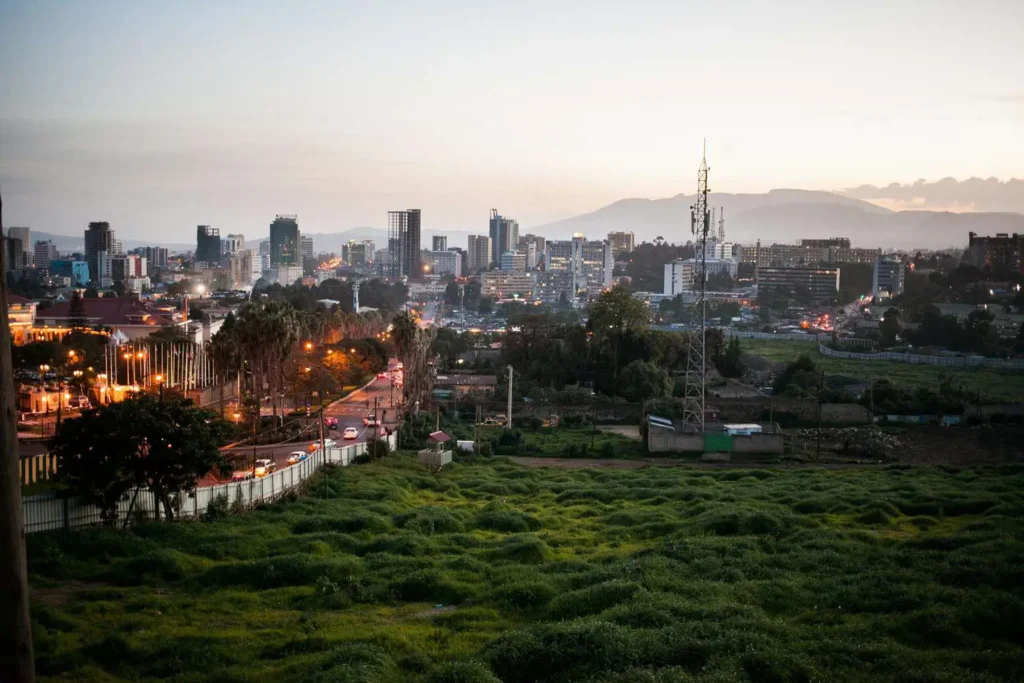
Dodai, an electric mobility company based in Ethiopia, has raised $13 million in Series A funding to expand its electric motorbike and battery-swapping network in Addis Ababa.
The funding includes $8 million in equity and $5 million in debt. Investors in the round include Value Chain Innovation Fund, UTokyo Innovation Platform Co., Nagase, Persistent Energy, For Seasons, CBC Co., Ltd, Inclusion Japan (ICJ), and British International Investment (BII), which provided the debt financing.
The fresh capital comes at a time when Ethiopia is pushing strongly towards electric transport. In 2024, the government banned the import of private internal combustion engine vehicles. The ban was later extended in 2025 to include petrol and diesel trucks. According to Ethiopia’s Ministry of Transport and Logistics, the country now has about 100,000 electric vehicles on its roads.
“Ethiopia is emerging as one of Africa’s most compelling frontier markets for the clean mobility transition, where the right capital can unlock outsized impact and long-term value,” said Leslie Maasdorp, CEO of British International Investment (BII). “BII’s investment will support Dodai to scale critical e-mobility and battery-swapping infrastructure, and accelerate the development of a commercial market for electric motorbikes.”
Founded in 2023 by Yuma Sasaki, Dodai assembles electric motorbikes and batteries locally. It also runs battery-swapping stations, allowing riders to quickly exchange low batteries instead of waiting for them to charge.
The company, which raised $7 million in 2024, says it has already assembled and deployed more than 2,000 electric motorbikes. It now plans to build 30 battery-swapping stations in Addis Ababa and reach 3,000 users within 12 months.
“This funding will help take us from early traction to real scale,” said Yuma Sasaki, CEO and Founder of Dodai. “We’ve proven the model in Addis Ababa, now we’re building the network and infrastructure needed to make electric mobility the default.”
Dodai aims to reach 30,000 users and 1,000 swapping stations over the next three years, before expanding to cities such as Abidjan, Kinshasa, Accra, Dar es Salaam and Cairo from 2028.