



Beyond the Relocation Package: The Hidden Role of Spouse and Family Support in Global Mobility Success

International relocation services are often measured by the visible parts of a move: immigration paperwork, flights, accommodation, transport and getting an employee settled at their new workplace. Those details matter, but they don’t tell the whole story. A senior employee can arrive in a new country with every document in order and still struggle to […]
The New Horizon: Why Africa is Emerging as a Top Destination for Global Executive Rotations

Executive relocation services are becoming increasingly relevant as multinational businesses rethink where their senior leaders need to be. Africa is no longer viewed simply as a collection of emerging markets requiring occasional executive visits. For many organisations, it is becoming a place where regional leadership, commercial decision making and specialised expertise need to sit closer […]
Managing the Diaspora Transfer: Cultivating a Harmonious Culture When Sending Nigerian Leadership into Regional Hubs

International employee relocation services are often treated as a logistical exercise. Arrange the flight, secure accommodation, process the work permit, move the family and get the executive into the new office. But when a Nigerian leader takes up a role in Nairobi, Accra, Johannesburg or another African hub, the harder part usually begins after the […]
The Regional Playbook: How Lagos-Born Enterprises Move into Ghana and Kenya Without Legal Entity Setup Delays

Employer of record Ghana can give a Lagos based company a practical way to test the market, hire local talent and begin operations without waiting months to establish a legal entity. For businesses expanding beyond Nigeria, that distinction matters. The commercial opportunity may be clear, but setting up a company, opening registrations, arranging payroll and […]
Beyond Cost Savings: How Offshoring to African Tech and Business Hubs Solves the Global “Quiet Quitting” Crisis

IT outsourcing services are increasingly being considered for a reason that has little to do with reducing headcount. Global companies are looking for better ways to distribute workloads, create meaningful career paths and keep capable employees engaged. In that sense, offshoring to Africa’s growing technology and business hubs can address some of the conditions that […]
The Sunset Shift: Why Global Companies are Offshoring Customer and Tech Support to Time-Zone Friendly Africa

Outsourced IT support is becoming a practical way for global companies to extend service coverage, access specialist talent and keep customer operations moving beyond the traditional working day. Africa is increasingly part of that conversation, not simply because of operating costs, but because its time zones can complement teams in Europe, the Middle East and […]
Local Talent vs. Global Expertise: How to Frame Expat Transfers to Empower Local Teams

Expatriate management services can help organisations use international assignments for more than filling a temporary skills gap. When structured properly, an expatriate transfer can bring specialist knowledge into a local operation while deliberately developing employees who will eventually take greater responsibility. That distinction matters. An expatriate who arrives simply to perform a job may solve […]
Beyond the Compound: How Modern Multinational Companies Rethink Expat Housing and Safety in West Africa

Expat housing services have traditionally been associated with gated compounds, serviced apartments and a company arranged house for an employee and their family. That model still has a place, but multinational employers operating across West Africa are increasingly asking a broader question: what does a safe and practical living arrangement actually look like for an […]
The East African Expatriate Conundrum: Shadow Payroll and Tax Parameterization in Kenya & Tanzania
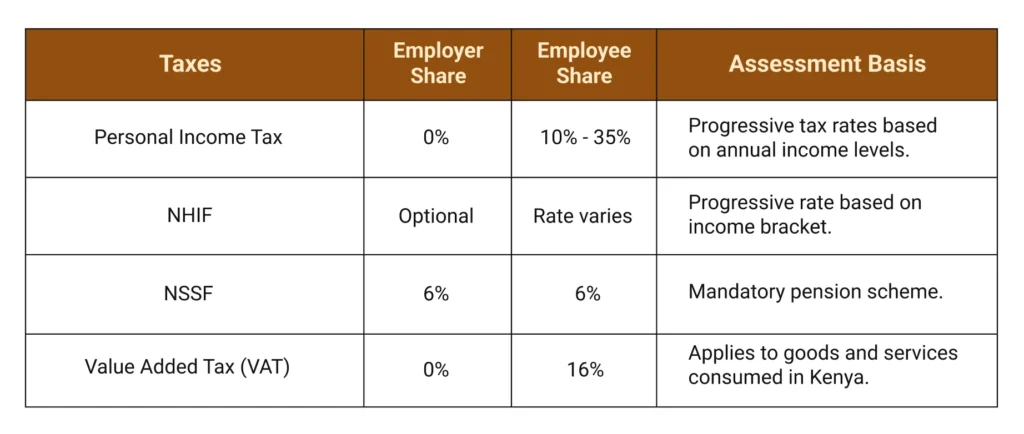
shadow payroll services have become increasingly relevant for organisations moving employees between Kenya and Tanzania, particularly where an employee remains employed and paid by a home country entity while performing duties in another jurisdiction. The arrangement may look straightforward from an HR perspective. Tax authorities, however, may see a more complicated picture. A senior manager […]
Beyond the Exchange Rate: Mitigating FX Volatility and Intra-Africa Cross-Border Payroll Deductions

Multi currency payroll can become surprisingly complicated once employees are paid across several African markets. The challenge isn’t simply converting one currency into another. Finance teams must also account for exchange rate movements, local deductions, payment dates, banking costs and the rules governing how salaries reach employees. A payroll that looks accurate when prepared on […]
Localising the Remote Package: Designing Culturally Nuanced Benefits Through a Global EOR

Employee benefits package design becomes more complicated when a company employs people across several countries. A benefit that feels generous and meaningful to an employee in Lagos may have little relevance to someone in Nairobi, Accra or Johannesburg. The cost may also vary significantly from one market to another. For organisations using a global EOR, […]
Whitelabel vs. Owned Entities: What the “Direct EOR” Debate Means for Employee Experience

Direct employer of record models are increasingly part of the conversation around how international employees experience their employers. On paper, the distinction between a provider that directly employs workers and one that operates through a local partner may look like a technical issue. For employees, however, the difference can show up in much more practical […]