
Multi currency payroll can become surprisingly complicated once employees are paid across several African markets. The challenge isn’t simply converting one currency into another. Finance teams must also account for exchange rate movements, local deductions, payment dates, banking costs and the rules governing how salaries reach employees.
A payroll that looks accurate when prepared on Monday can produce a different cost by Friday if the settlement currency moves sharply. Add statutory deductions in multiple jurisdictions and the margin for error becomes smaller still.
For organisations expanding across Africa, understanding these risks is essential because payroll sits at the point where finance, employment compliance and employee experience meet.
Why FX Volatility Matters to Payroll
Exchange rates can move materially between the date payroll is calculated and the date funds are transferred. That creates two different questions for employers: how much does the employee receive, and how much does the employer ultimately spend?
The distinction matters.
Suppose a company budgets a Kenyan employee’s salary in US dollars but pays the employee in Kenyan shillings. If the exchange rate changes before settlement, the employer’s actual cost may differ from the original forecast. Multiply that across Nigeria, Ghana, Kenya, Rwanda and other markets, and relatively small movements can become a noticeable budget variance.
A well designed multi currency payroll process therefore needs clear rules for exchange rates, funding dates and reconciliation.
The Problem With Treating Conversion as an Afterthought
Currency conversion is sometimes left to the final stage of payroll. That approach can create avoidable uncertainty.
Finance teams need to know which exchange rate will be applied, when it will be fixed and whether the rate used for payroll reporting matches the rate used by the bank or payment provider.
The same principle applies to statutory deductions. An employee’s gross salary may be agreed in one currency, while taxes, pension contributions and other deductions are calculated and remitted locally.
This makes cross border payroll more than a payment exercise. It requires coordination between payroll calculations, local statutory obligations and treasury controls.
Intra Africa Payroll Creates Its Own Challenges
Cross border employment within Africa can involve several currencies, banking systems and regulatory environments. A company employing staff in Nigeria, Ghana and Kenya, for example, may need to manage naira, cedi and shilling payments while maintaining consolidated reporting in a separate corporate currency.
That creates a reconciliation challenge.
International payroll services can help centralise these processes, but the underlying controls still matter. Payroll teams should be able to trace each payment from the employee’s approved salary through deductions, currency conversion, funding and final settlement.
Without that visibility, unexplained variances can become difficult to investigate.
Managing Statutory Deductions Across Currencies
Payroll deductions aren’t always as straightforward as taking a percentage from gross salary.
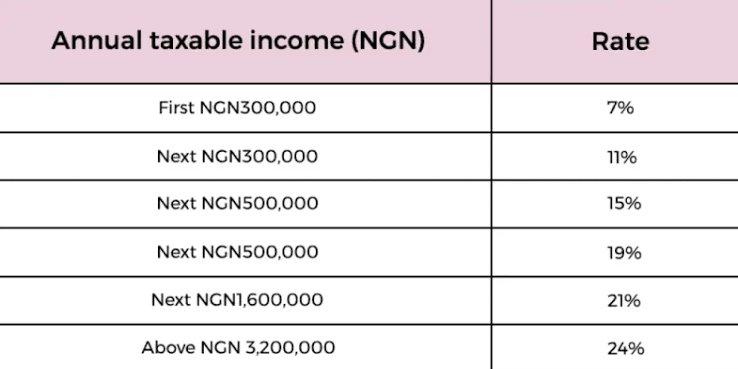
Different jurisdictions apply different rules to income tax, social security, pension contributions, health insurance and other statutory obligations. Some deductions may be calculated against specific components of remuneration, while others can have defined contribution ceilings or thresholds.
Currency movements can complicate reporting further when the employee’s contractual salary, payroll calculation and employer reporting are recorded in different currencies.
Global payroll solutions should therefore provide more than a single converted figure. They should support local payroll calculations while giving finance teams a consolidated view of total employment costs.
Timing Can Be as Important as the Rate
When dealing with currency volatility, timing deserves more attention than it usually gets.
Consider a payroll run where salaries are calculated several days before employees are paid. If funds are converted immediately but payments settle later, the organisation may carry unnecessary FX exposure. Conversely, delaying conversion until the payment date could create a different risk if the currency moves unfavourably.
There isn’t one universal answer. The right approach depends on the currencies involved, banking arrangements, payroll calendar and internal treasury policy.
A multi currency payroll framework should make these decisions deliberate rather than leaving them to whoever happens to process the payment.
Building Better FX Controls
Strong controls begin with consistency.
Organisations should define which currency payroll is budgeted in, which currency employees are paid in and which exchange rate source is used for each calculation. They should also establish who approves rate changes and how differences are recorded.
Monthly reconciliation is particularly useful. Finance teams can compare the budgeted employment cost with the actual amount funded and identify whether the variance came from FX movements, salary changes, statutory deductions, bank charges or another factor.
That level of detail makes forecasting more reliable.
It also helps management distinguish a genuine payroll problem from a normal currency movement.
What Employees Actually Experience
Employees rarely care about an organisation’s internal FX process. They care about whether the correct amount reaches their account on the agreed date.
That makes employee communication part of the equation.
Where salaries are linked to a foreign currency but paid locally, employers should explain how conversion works and whether the employee’s contractual arrangement specifies a particular currency. Ambiguity can quickly become a source of dissatisfaction, especially when exchange rate movements cause the local currency value of pay to change.
A predictable process is easier for employees to understand and easier for payroll teams to defend.
Where An EOR Can Reduce Complexity
For businesses entering multiple African markets, building an independent payroll operation in every country can take considerable time and administrative effort.
An EOR can provide a more practical structure by managing local employment, payroll calculations, statutory deductions and employee payments within the relevant jurisdiction.
The value isn’t simply administrative convenience. A capable provider can bring local payroll knowledge into a central operating model, allowing the client to maintain oversight without having to manage every country’s payroll mechanics directly.
Workforce Africa supports organisations operating across African markets with payroll, EOR and workforce solutions designed around local employment requirements. This can help companies establish clearer processes for salary payments, statutory obligations and reporting as their regional footprint grows.
A More Disciplined Approach to Multi Currency Payroll
The goal isn’t to eliminate currency risk. That isn’t realistic when employees and employers operate across different currencies.
The better objective is to make the risk visible, measurable and manageable.
A mature multi currency payroll process should therefore connect payroll calculations with treasury planning, local compliance and financial reporting. It should answer practical questions before payday arrives: Which rate are we using? When will funds be converted? What deductions apply? What will the employee receive? What will the employer actually spend?
When those questions have clear answers, payroll becomes easier to forecast and easier to audit.
For businesses expanding across Africa, multi currency payroll is ultimately a control issue as much as a payroll issue. The organisations that manage it well don’t rely on conversion alone. They build a process that connects local requirements with regional financial oversight.
For more insights on labour law updates, compliance, regulatory awareness and statutory changes across Africa, follow Workforce Africa’s LinkedIn page.
If your organisation is managing employees across multiple African markets and wants to strengthen its payroll structure, Schedule a free consultation with Workforce Africa.