
Global talent outsourcing services are changing how companies access specialised expertise without committing to traditional hiring structures. For many businesses, the challenge is not finding talent. It is finding the right talent at the right time, especially when a specific project requires skills that may not exist within the current team.
A company building a financial technology product, for example, may need a cybersecurity specialist for six months. A healthcare organisation expanding into a new market may need regulatory expertise without creating a permanent role. In these situations, hiring a full-time employee may not be practical, while relying on short-term freelancers can create concerns around consistency, confidentiality, and compliance.
This is where fractional hiring models supported by Employer of Record (EOR) solutions can provide a more structured approach.
Businesses can access experienced professionals, integrate them into existing teams, and manage workforce obligations through the right employment framework.
Why Fractional Hiring Is Becoming More Common
Traditional hiring often assumes every important role requires a permanent position. That approach worked well when businesses operated within predictable markets and long-term workforce planning cycles.
Today, companies often need flexibility.
A growing business may require a senior product manager before it can justify hiring one permanently. A company entering an African market may need local expertise before deciding whether to build a larger team.
Fractional hiring services allow organisations to bring in specialists for defined periods or specific business needs. These professionals contribute expertise without requiring the company to immediately create a permanent headcount structure.
However, flexibility does not remove responsibility. Companies still need to consider contracts, payments, tax obligations, and local employment rules.
That is where global talent outsourcing services provide value. They help businesses access international specialists while creating a clearer framework for managing cross-border workforce arrangements.
The Role Of EOR In Specialist Hiring
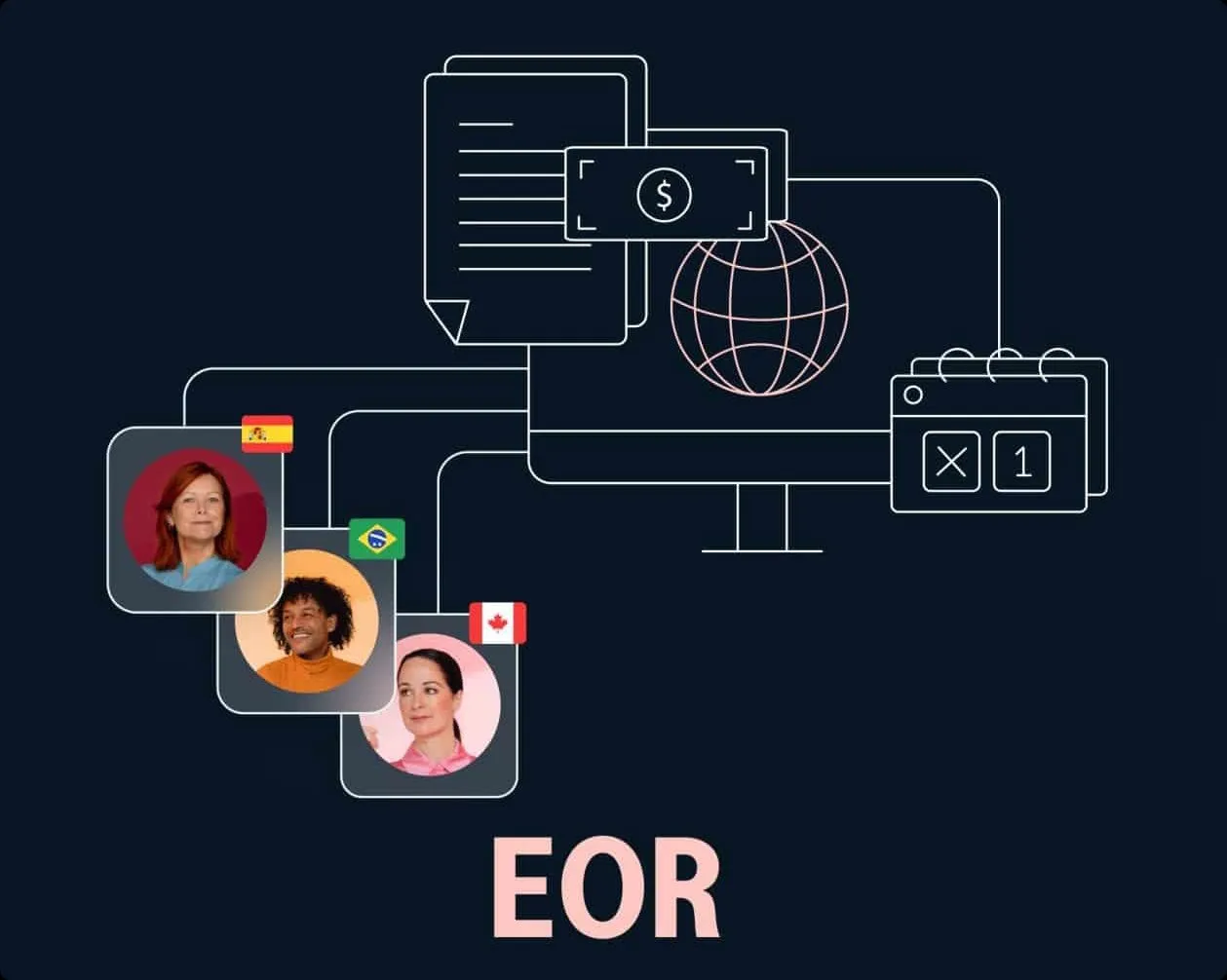
Employer of Record solutions are often associated with full-time international employees, but they can also support more flexible workforce models when structured correctly.
An EOR provider acts as the local employer, managing employment administration, payroll, statutory requirements, and compliance obligations while the business focuses on the specialist’s day-to-day contribution.
For companies looking to hire specialised remote talent, this structure can reduce administrative pressure.
Imagine a software company based in Europe that needs a machine learning specialist in Nigeria for an 18-month project. Instead of navigating local employment requirements alone, the company can work with an EOR partner that understands the local market and manages the employment process.
Global talent outsourcing services make these arrangements easier to manage because they connect business needs with local workforce knowledge.
Avoiding Risks With Contractor Based Models
Some businesses choose contractors because they believe it offers the simplest route to international hiring. While contractors can be valuable, the arrangement requires careful consideration.
A contractor who works exclusively for one company, follows fixed schedules, uses company systems, and performs ongoing responsibilities may create questions about employment classification.
This is where eor for contractors solutions may become relevant. Businesses need to understand whether a contractor arrangement reflects the reality of the working relationship.
The goal is not to remove flexibility. It is to create a structure that supports both the company and the professional.
Global talent outsourcing services help companies evaluate different workforce models and choose an approach that fits their operational goals.
Building A Safer Fractional Workforce Strategy
A successful fractional hiring approach starts with clarity.
Before bringing in a specialist, companies should define:
• what problem the specialist will solve
• how long the engagement is expected to last
• what responsibilities they will manage
• who they will report to
• how success will be measured
These details matter because specialist roles often involve sensitive information. A fractional finance expert may handle business forecasts. A cybersecurity consultant may access critical systems. A market specialist may work with confidential expansion plans.
Clear agreements and structured processes protect everyone involved.
Global talent outsourcing services can support this process by helping companies establish compliant workforce arrangements while maintaining access to specialist skills.
Why African Markets Require Local Workforce Knowledge
Hiring internationally is not just about finding talent. It also requires understanding how employment regulations operate in each country.
Across Africa, labour laws, payroll requirements, statutory benefits, and employment practices differ from market to market. A hiring model that works in one country may need adjustments elsewhere.
For companies exploring specialist hiring across African markets, local expertise can make a significant difference.
Workforce Africa supports organisations that need practical workforce solutions across the continent. By combining regional knowledge with structured employment processes, Workforce Africa helps businesses build flexible teams while staying aware of local requirements.
Global talent outsourcing services become more effective when companies have access to partners who understand the realities of each market.
Creating Balance Between Flexibility And Compliance
The appeal of fractional hiring is obvious. Businesses can access experienced professionals without immediately increasing permanent costs.
But flexibility should not come at the expense of compliance.
Companies should review workforce structures regularly, especially as relationships develop. A specialist initially hired for a short project may later become central to daily operations. A contractor may begin performing responsibilities similar to a permanent employee.
Regular reviews help businesses adapt before issues appear.
Global talent outsourcing services give organisations a way to build flexible teams while maintaining stronger oversight of employment responsibilities.
Readers can follow Workforce Africa’s LinkedIn page for more insights on labour laws updates, compliance, regulatory awareness, and statutory changes across Africa.
The Future Of Specialist Hiring
Businesses no longer need to choose between permanent hiring and informal freelance arrangements. With the right structure, they can access specialist expertise while managing risk responsibly.
Fractional hiring allows companies to bring in experienced professionals when they need them most. EOR solutions provide a framework for handling employment obligations across borders.
Global talent outsourcing services give businesses the flexibility to respond quickly, whether they are entering new markets, launching projects, or building specialised teams.
The strongest workforce strategies are not built around hiring more people. They are built around accessing the right expertise in a way that supports long-term business goals.
Workforce Africa helps companies navigate these workforce decisions and build compliant teams across African markets.
To discuss how your organisation can access specialist talent while managing compliance requirements, Schedule a free consultation with Workforce Africa today.