AI in HR outsourcing is increasingly becoming a cornerstone of strategic HR management across the globe. As companies look for more efficient and scalable ways to manage their human resources, AI technologies are providing innovative solutions that streamline recruitment, payroll, and employee management processes. In Africa, AI in HR outsourcing is opening new opportunities for businesses to enhance their HR capabilities, but it also raises important questions regarding ethical AI practices and governance.
As we look toward 2026 goals, HR leaders must understand the balance between leveraging AI in HR outsourcing and ensuring that these technologies are used ethically, transparently, and in compliance with local laws and global best practices. This article delves into the key considerations HR leaders should keep in mind as they embrace AI outsourcing and the governance frameworks necessary to ensure fairness, accountability, and ethical responsibility.
The Rise of AI in HR Outsourcing in Africa
AI in HR outsourcing has witnessed rapid growth in Africa as companies across the continent embrace automation and advanced technologies to optimise HR operations. From automating administrative tasks to enhancing decision-making processes in talent acquisition and performance management, AI is transforming HR functions.
In Africa, where many countries are witnessing a digital transformation, businesses are increasingly adopting AI outsourcing solutions to bridge the talent gap, reduce operational costs, and improve overall efficiency. However, as AI technologies evolve, ethical concerns around data privacy, transparency, and fairness in decision-making have emerged, prompting a need for clear guidelines on the responsible use of these tools.
Understanding Ethical AI in HR Outsourcing
Ethical AI refers to the development and use of AI technologies in a manner that is aligned with moral principles and values, such as fairness, transparency, accountability, and privacy. In the context of AI in HR outsourcing, ethical AI practices are essential for ensuring that AI tools are not only effective but also free from biases, discriminatory practices, and data misuse.
HR leaders in Africa must take proactive steps to implement ethical AI practices across their organisations. This includes ensuring that AI algorithms used in AI outsourcing decisions are designed to promote fairness, equality, and inclusivity, rather than perpetuating biases based on gender, race, age, or other sensitive factors. Companies must also be transparent in how they use AI, providing employees and candidates with clear information about how their data is used and ensuring that their rights are protected.
1. Fairness in AI Decisions
One of the key ethical challenges in AI in HR outsourcing is ensuring that AI tools make fair decisions. AI systems are only as good as the data they are trained on. If the training data is biased, the AI system can replicate and even amplify these biases. For example, an AI system used for recruitment might unintentionally favour certain demographics if it has been trained on historical hiring data that lacks diversity.
To prevent this, HR leaders must implement AI governance in outsourcing that ensures all AI systems are regularly audited for fairness. They should also encourage diverse data sets and provide training to ensure that AI tools do not make discriminatory decisions.
2. Transparency in AI Algorithms
Transparency is another critical element of ethical AI in HR outsourcing. AI algorithms should be transparent in their decision-making process, meaning that employees and candidates should be able to understand how decisions are made. In hiring, for example, candidates should be informed about how AI systems assess their qualifications and suitability for a role.
Transparency can help build trust in AI systems and reduce concerns about unfair treatment. It also provides a way to hold AI systems accountable for their actions, ensuring that businesses do not inadvertently make harmful or unjust decisions.
3. Data Privacy and Security
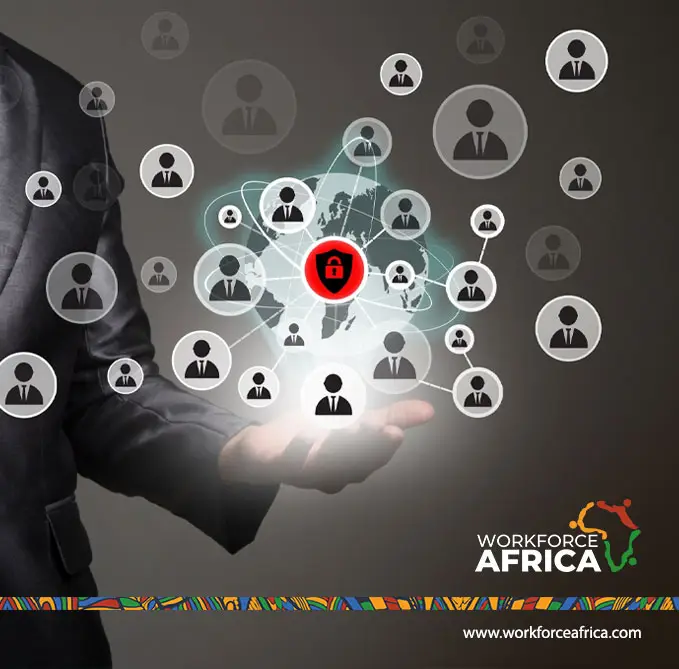
AI outsourcing involves processing large volumes of personal and sensitive data. This raises significant concerns about data privacy and security, particularly in the context of the General Data Protection Regulation (GDPR) and similar regulations in African countries.
HR leaders must ensure that AI in HR outsourcing adheres to strict data protection standards. This includes ensuring that data are stored securely, that employees’ personal information is only accessed by authorised personnel, and that data usage complies with the relevant laws in each jurisdiction.
The Role of AI Governance in Outsourcing
As businesses continue to leverage AI outsourcing, it is crucial for HR leaders to establish robust AI governance in outsourcing frameworks. These frameworks should outline the ethical standards and practices that govern the use of AI within the organisation.
AI governance in outsourcing is about creating policies and systems to monitor AI systems, ensuring that they align with ethical standards and compliance regulations. This may include setting up an AI ethics committee, conducting regular audits of AI algorithms, and providing training for HR professionals on how to evaluate and manage AI systems.
Additionally, organisations should establish clear accountability structures for AI decision-making. This ensures that if an AI system makes an error or causes harm, there is a clear process for addressing it.
The Benefits of Ethical AI in HR Outsourcing
Adopting ethical AI in HR outsourcing offers several key benefits for businesses in Africa:
- Improved Talent Acquisition: Ethical AI tools can help organisations make more accurate, unbiased decisions in recruitment and selection, leading to the hiring of better talent.
- Increased Efficiency: By automating time-consuming tasks, AI can free up HR professionals to focus on more strategic activities, improving overall HR productivity.
- Enhanced Employee Trust: Employees are more likely to trust an organisation that uses AI in a transparent and ethical manner, leading to better employee engagement and retention.
- Compliance with Regulations: Implementing ethical AI practices ensures that businesses remain compliant with local and international data protection and anti-discrimination laws, reducing the risk of legal challenges.
How Workforce Africa Supports Ethical AI in HR Outsourcing
Workforce Africa is committed to supporting HR leaders and businesses in Africa with the ethical AI practices required for successful AI in HR outsourcing. Our services ensure that companies can leverage AI to streamline HR operations, while also complying with local laws and maintaining the highest standards of fairness and transparency.
By partnering with Workforce Africa, businesses can ensure that their AI governance in outsourcing is robust and their use of AI aligns with best practices in ethics and compliance. Our Employer of Record (EOR) solutions for expats further simplify the complexities of managing international assignments and ensuring compliance with local employment laws.
Conclusion
AI in HR outsourcing is transforming how organisations manage their workforce, making HR processes more efficient, data-driven, and scalable. However, as AI technology continues to evolve, HR leaders must be vigilant about ensuring that AI tools are used ethically, with a focus on fairness, transparency, and data security.
For Nigerian and African companies looking to expand and streamline their HR operations, adopting ethical AI practices is a crucial step towards achieving long-term success. With Workforce Africa’s support, businesses can ensure that their AI outsourcing strategies are both effective and compliant.
For more insights on AI in HR outsourcing, labour laws updates, and regulatory compliance across African markets, follow Workforce Africa’s LinkedIn page.
Free Consultation
Ready to optimise your HR processes with ethical AI? Schedule a free consultation with Workforce Africa.